Amoxicillin 500 mg
Morning
Afternoon
–
Evening
–
Night
After food
5 days
Do not
Drink alcohol
Checking pictures, 0 of 7 ready
Concord
Concord turns a discharge sheet into picture cards in the patient’s language. Two independent models read every picture back, and a picture they misread is thrown away.
“Take 2 capsules in the morning and at night, after food.”
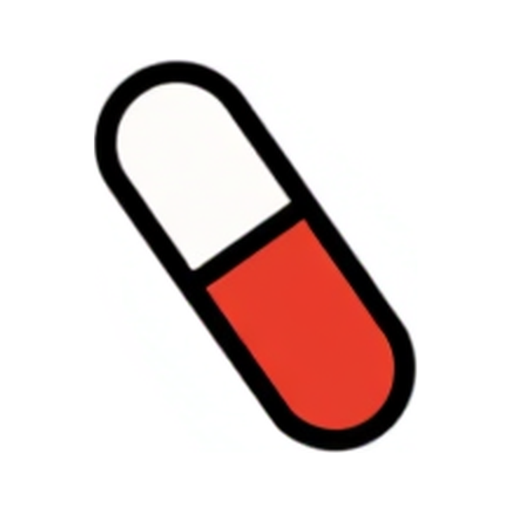

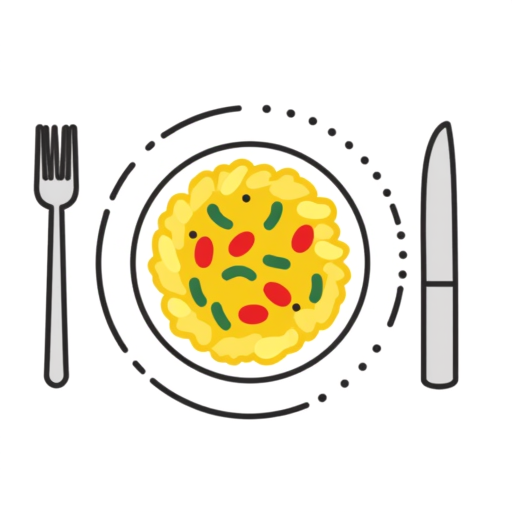
Every picture is drawn by an image model, then checked by two more before it reaches a card.
No account neededText or a photo of the sheetA reading aid, not medical advice
Both readers agree on every field.
After food
5 days
Do not
Checking pictures, 0 of 7 ready
The problem
Researchers showed this label to 395 adults at primary care clinics in three states, then asked them to count out the pills.
Prescription label
Take two tablets by mouth twice daily.
The same instruction on a Concord card
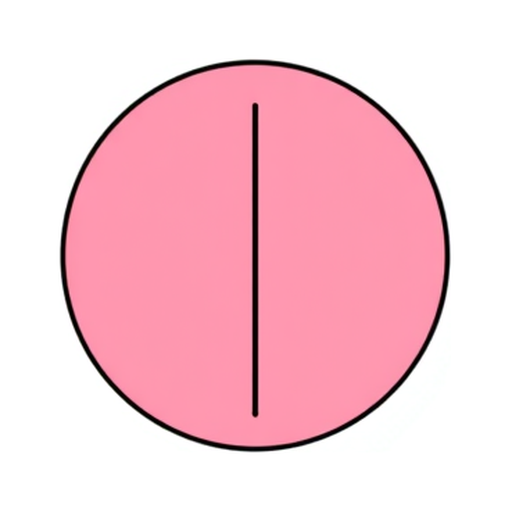
Among patients with low literacy
Across everyone in the study, 46% misread at least one of five labels.
Davis et al., Annals of Internal Medicine, 200635.7 million
hospital admissions a year in the United States. Nearly every one ends with instructions to follow at home.
American Hospital Association, 2024 survey1.5 million
people a year go to a United States emergency department because of harm from a medicine. Almost 500,000 of them need a hospital stay.
CDC, Medication Safety78%
of emergency patients went home with a gap in understanding their care or instructions in at least one area. Most did not know they had one.
Engel et al., Annals of Emergency Medicine, 200919%
of patients had an adverse event in the weeks after leaving hospital. Two thirds of those events were caused by a medicine.
Forster et al., Annals of Internal Medicine, 2003What pictures change
A picture asks for no reading level and no shared language. Trials that added pictures to medical instructions measured the difference.
Remembering what was said
Spoken medical instructions recalled
In a second study, adults who read below a fifth-grade level recalled 85% straight away and 71% four weeks later.
Houts et al., Patient Education and Counseling, 1998 and 2001Giving a child the right dose
Parents and carers who measured a daily liquid medicine wrong
A randomized trial with 245 caregivers. Missed doses fell too, from 38% of families to 9%.
Yin et al., Archives of Pediatrics and Adolescent Medicine, 2008Understanding the discharge sheet
Emergency patients who got at least five of ten answers right
A randomized, blinded study with 101 patients. The gain was largest among patients with no more than a high school education.
Austin et al., Annals of Emergency Medicine, 1995Across the research
Pictures improve recall, understanding and how well people keep to their medicines.
A review of the published studies found the gain is largest for patients who find reading hard.
Katz, Kripalani and Weiss, American Journal of Health-System Pharmacy, 2006But only when they are read correctly
In one study, 1 of 12 standard medicine pictograms was understood well enough to pass the ISO bar.
A picture that is misread is worse than none. Concord tests every picture before it is shown.
Cross-sectional study, AnkaraHow it is checked
Image models miscount. A card that shows three pills for a dose of two is dangerous, so no picture reaches a patient on trust.
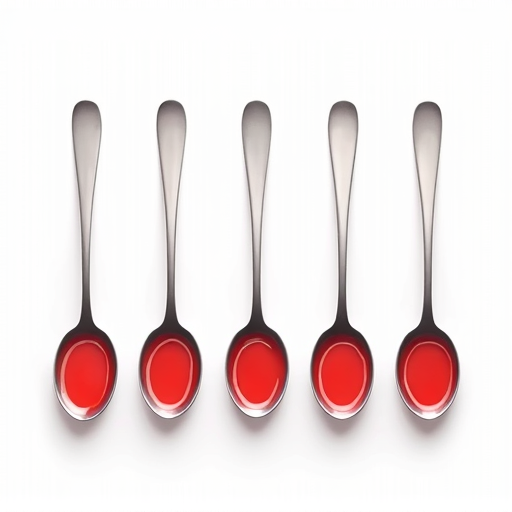
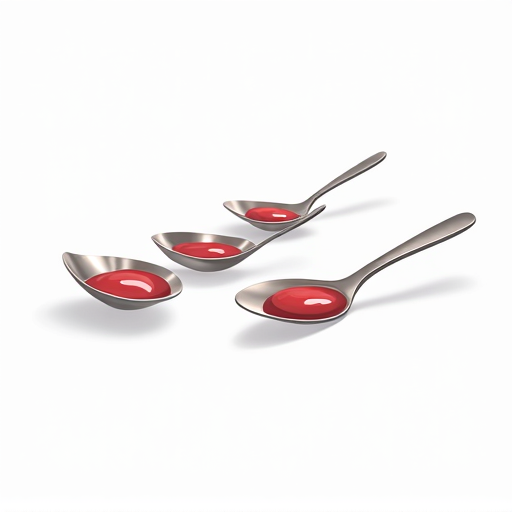
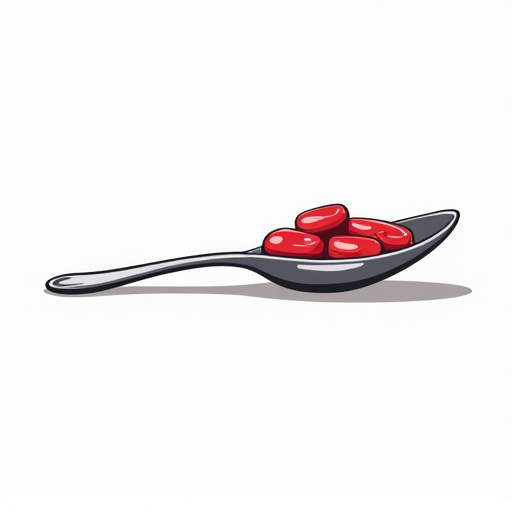
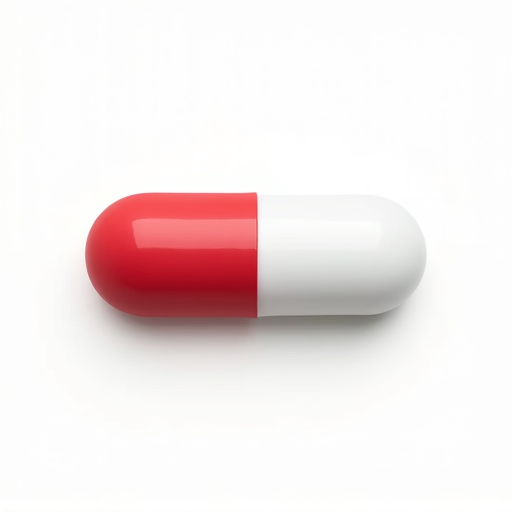
An image model, on its own, was asked for
one spoonful of medicine
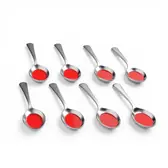
Concord’s two readers, told nothing, saw
“8 spoonfuls”
“8 spoonfuls”
Concord threw it away
Two readers, one sheet
Two models from different companies read the sheet separately. Any field they disagree on is flagged for you to check.
Code sets the layout
The order, the arrows, the calendar and every number are placed by code. The image model only draws single pictures.
Every picture is read back
Both readers describe the picture in their own words, with no list to choose from. A separate judge decides whether each one understood it.
Wrong pictures are thrown away
A picture that fails is redrawn up to three times, and each new attempt is told what the last one got wrong.
Nothing unchecked is shown
If no drawing passes, a plain pictogram is drawn straight from the numbers, so the count can't be wrong.
Anything unusual stays as text
Half tablets, tapering doses and take-as-needed medicines are shown exactly as written and are never drawn.
Where the image model works
FLUX.1 [dev] with our own fine-tuned style adapter draws each picture from a prompt that code writes. Pick one and follow it from prompt to card.
1. Code writes the prompt
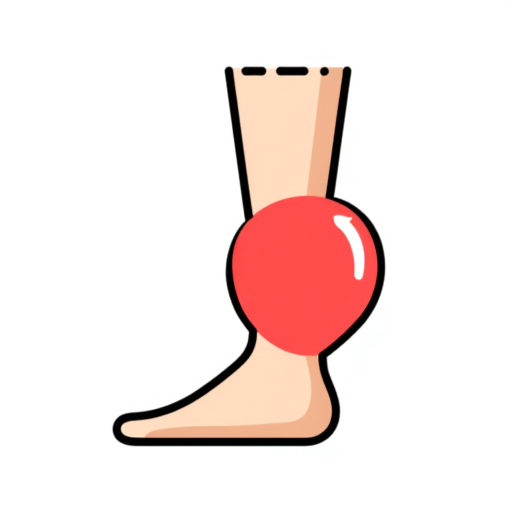
rdbk pictogram, one bare foot and ankle swollen up like a balloon, far bigger than a normal foot, red and puffy, with small arrows pointing outward from the swelling, flat vector pictogram icon, bold thick black outlines, solid flat colours, simple rounded shapes, pure white background, centred with wide margins, no shadows, no gradients, no texture, no text, no letters, no numbers
2. The model draws, two readers describe what they see
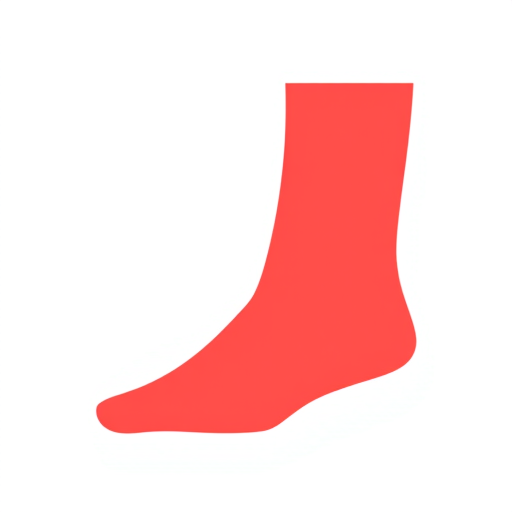
Reader 1, Google“a red sock”
Reader 2, OpenAI“a red sock”
Thrown away and drawn again.
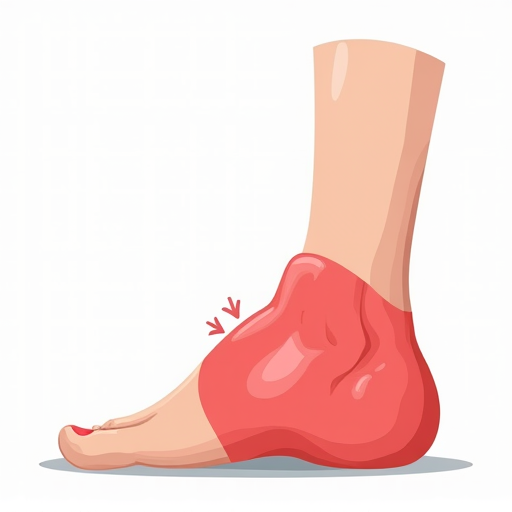
Reader 1, Google“swollen foot and ankle with red arrows indicating pain”
Reader 2, OpenAI“a foot with a swollen, red ankle”
Redrawn by the plain model, and kept.
3. Code places the kept picture on the card
It sits under the words “Swelling” in the patient’s language. Numbers, order, the calendar and exercise angles are drawn by code, never by the image model.
The two pictures in step 2 are recorded from our evaluation run, drawn by FLUX.1 [dev] with our adapter. The readers were told nothing about what a picture was meant to show.
Every picture
This is what an image model draws on its own, with no check in the way. Concord’s two readers read every one. Pick a picture to see what was asked for and what each reader said it shows. Concord stopped 209 of them before any could reach a card.
What we measured
We asked FLUX.1 [dev] for 540 pictures from 100 written instructions, with no check in the way, and had two readers read every one. This is what an image model does on its own, and what Concord does about it.
An image model on its own
83 of 168
whole-dose pictures showed the wrong number of pills when the model was asked to draw the dose in one picture.
With Concord the model draws one pill, two readers check that it is exactly one, and code repeats it. The number on a card is set by code, never by a picture.
With Concord
58 of 60
single-unit pictures passed the read-back on the first try. The other 2 were thrown away and redrawn before anyone saw them.
With our fine-tuned adapter
21% to 78%
This one is about drawing style, not meaning: the share of pictures that came out as flat outlined pictograms, before and after our fine-tuned adapter. A set of cards now shares one look, and every picture on a card has still passed the read-back. The adapter was trained for 1000 steps on 70 OpenMoji pictograms in 218 seconds.
With Concord
100 of 100
written instructions were read correctly by the sheet reader. No reading was wrong.
With Concord
115,200
different medicine cards can be put together from 16 checked pictures: 5 kinds of dose, up to 6 at a time, every mix of the 4 times of day, 4 food rules and 6 things to avoid. Every picture on every one has passed the read-back, and the count is exact because code repeats one checked pill.
Drawn by an image model on its own. Concord stopped every one.
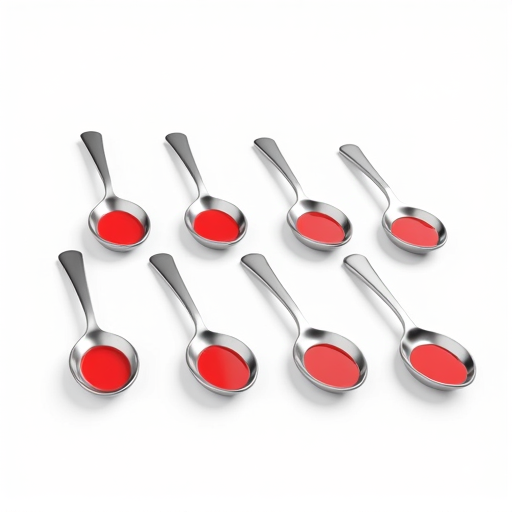 Asked for 1, readers counted 8
 Asked for 1, readers counted 5
 Asked for 1, readers counted 4
 Asked for 1, readers counted 1 and 3
 Asked for 2, readers counted 1
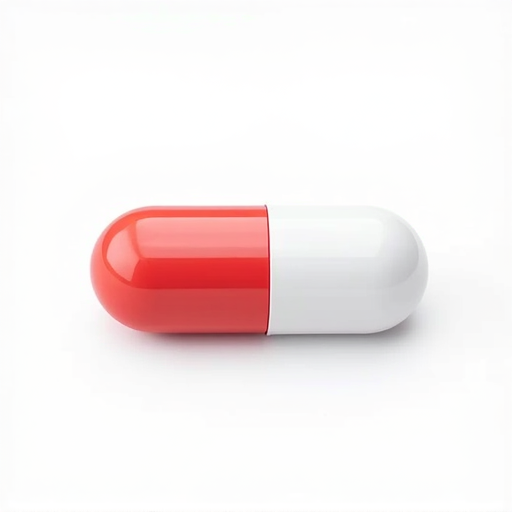 Asked for 2, readers counted 1
Pictures that would mislead a patient. Concord stopped these too.
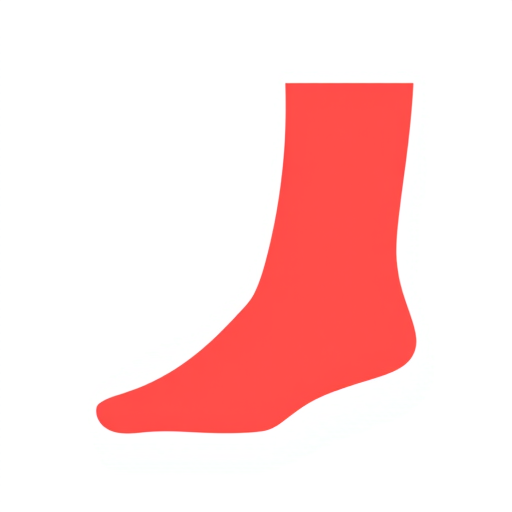 Meant to show a swollen leg, foot or body part. A reader saw “a red sock”
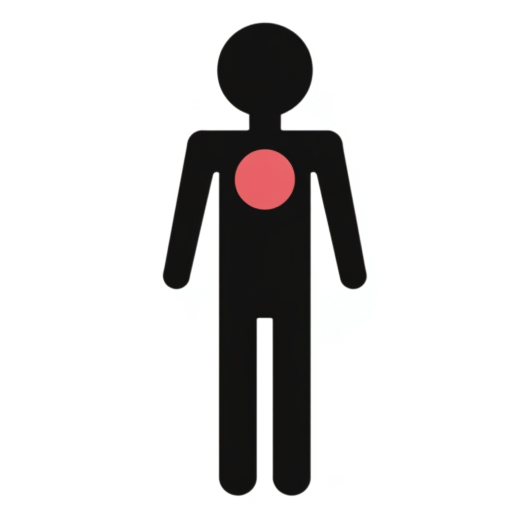
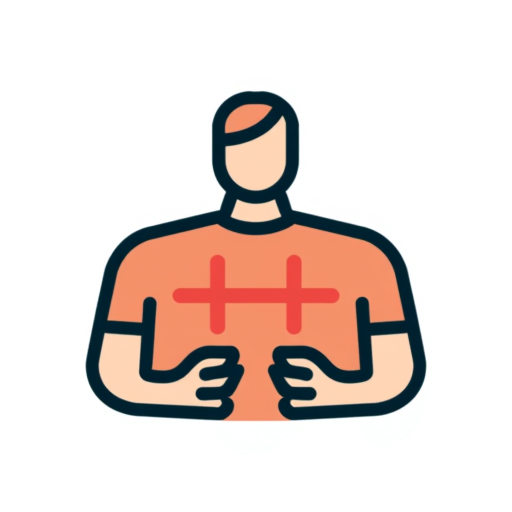 Meant to show chest pain. A reader saw “a person with a dumbbell symbol on their shirt”
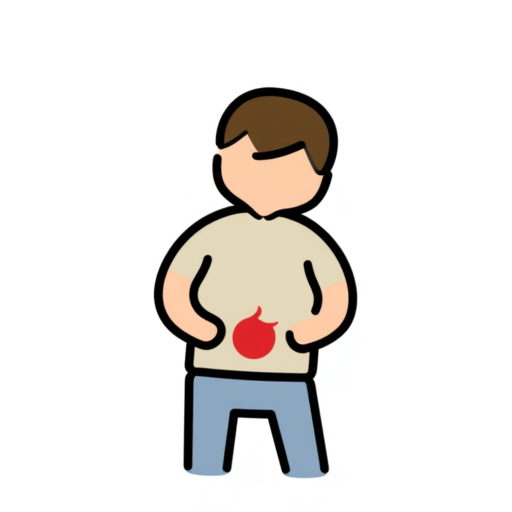 Meant to show a person in strong pain. A reader saw “a person with a red spot on their stomach”
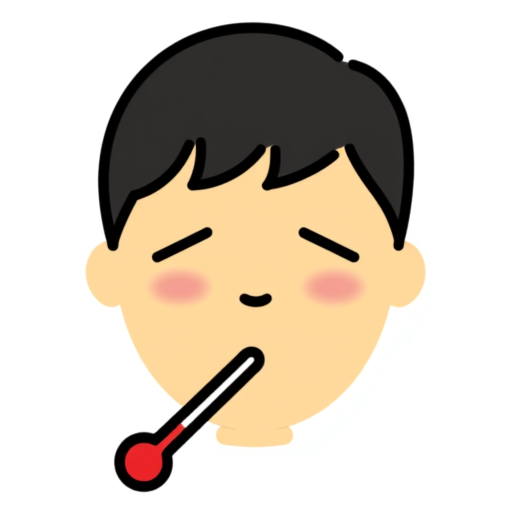
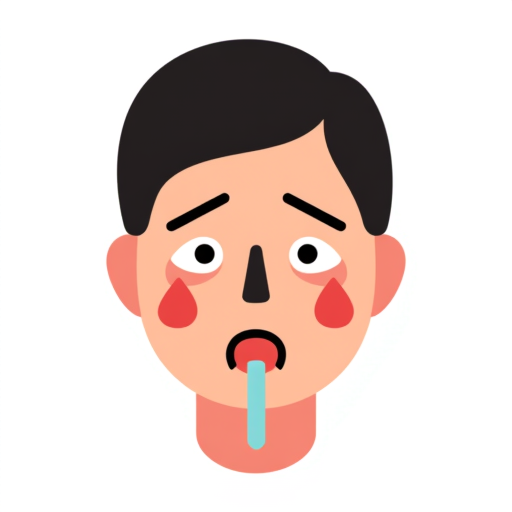 Meant to show a person with a fever or high temperature. A reader saw “a person's face with red tears and blue drool”
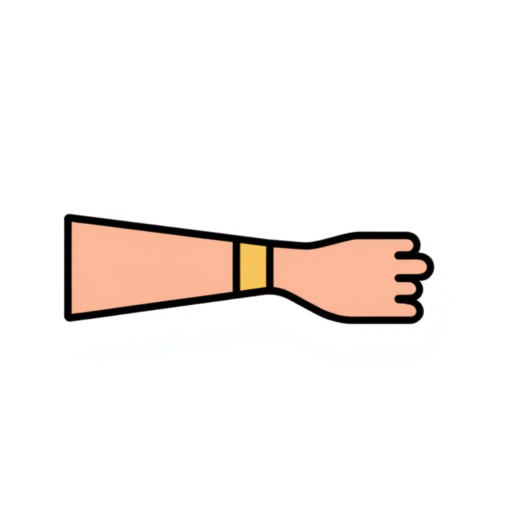 Meant to show bleeding. A reader saw “an arm with a closed fist and a gold bracelet”
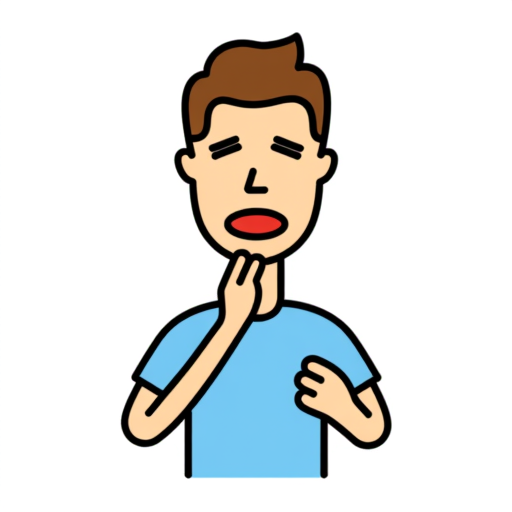 Meant to show a person struggling to breathe. A reader saw “a person with a sore throat or difficulty swallowing”
How it was built
Trained a style adapter
The plain model drew a different style almost every time. A LoRA adapter trained on 70 OpenMoji pictograms for 1,000 steps took flat pictograms from 21% of pictures to 78%.
Drew 540 pictures and read every one
Two readers described each picture with no hint. Whole doses came back with the wrong number of pills 83 times out of 168.
Took counting away from the model
The model now draws one pill, two readers confirm it is exactly one, and code repeats it. Warning signs the readers misread are thrown away and drawn again.
Checked the words the same way
155,637 medicine names in 69 languages, and every card label in 69, were read back by a second model.
Languages
A picture needs no translation. The words around it do, and each one is checked the way a picture is: a second model that never saw the English reads it back.
Medicine names
155,637
medicine names read back by a model that never saw the English: 1,830 prescribable medicines written in each of 69 languages, and 29,367 names from Wikidata. A name that does not come back as the same medicine is left in Latin letters on the card.
Medicine list: RxNorm, U.S. National Library of MedicineChecked against Wikidata
22,199
names on the cards come from Wikidata, the open knowledge base behind Wikipedia, so a reader sees the name their own pharmacy uses. Where Concord had also written the name itself, 25,063 of 27,983 agreed to within a letter or two.
Matched by RxNorm id on WikidataCard labels
2,469
card labels kept across 69 languages. One model translates each label, a model from another company translates it back unseen, and it is kept only when the meaning survives the round trip. Right-to-left languages get a mirrored card.
Metformin 500 mg, as the patient reads it
Who it helps
A picture asks for no reading level and no English. For tens of millions of people that decides whether the medicine is taken right.
Older adults
61.2 million
people in the United States are 65 or older. They go to an emergency department for harm from a medicine more than 600,000 times a year, over twice as often as younger people.
Large pictures, one fact each, and a speaker button that reads the card aloud.
People who find reading hard
739 million
adults worldwide lack basic literacy skills. In the United States, 28% of adults aged 16 to 65 score at the lowest literacy level.

The dose, the time of day and the food rule are all pictures. No sentence has to be read.
People who read another language
28.9 million
people in the United States speak English less than very well.
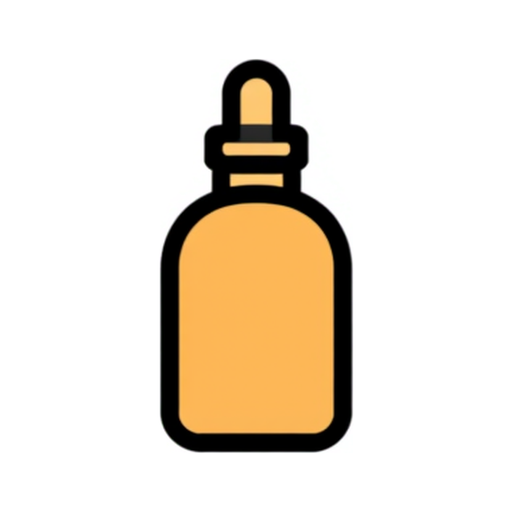

Cards come in 70 languages, with the medicine's name written in the patient's own script next to the printed one.
Family and carers
63 million
Americans care for a relative with a medical condition or disability, close to one adult in four.
Keep a parent's medicines straight when you were not in the room for the instructions.
And on the other side of the desk
Doctors, nurses and pharmacists hand over a sheet the patient can talk them through before leaving the room.
No. Concord redraws what the sheet says and adds nothing of its own. Check the cards against the sheet, and ask your doctor or pharmacist about anything that is unclear.
Two vision models from different companies look at it with no hint and no list of answers, and say what they see. A separate judge compares each description with what the picture was meant to say. Both readers have to get it, or the picture is thrown away and drawn again.
The text or photo is sent to Google and OpenAI to be read, and this site keeps no copy. The pictures are drawn from generic descriptions such as two tablets or a rising sun, so nothing from your sheet reaches the image model.
Whole-number doses of tablets, capsules, spoonfuls, drops and puffs, the time of day, food, the number of days, six things to avoid, five exercises, ten warning signs and the follow-up date. Everything else is shown as text.
You are shown the field and both readings, and asked to check the sheet. The cards are still drawn from the first reading so you can compare.
Research and evidence
Everything behind the numbers on this page is published, and each item below opens the page that proves it.
Technical report, with a DOI
Six pages on the method, the full evaluation and its limits. Not peer reviewed.
DOI10.5281/zenodo.23346534
Open data, with a DOI
All 155,637 medicine names with what the second model read back, in 69 languages.
DOI10.57967/hf/10890
Fine-tuned adapter, with a DOI
The style adapter trained for Concord, published with its training settings and results.
DOI10.57967/hf/10889
Published write-up
The story behind it: the label study, the miscounting image model and the read-back.
Read it on dev.to
Launched on Product Hunt
A public launch page, open to questions and feedback from anyone.
See the launch
Open source, archived with a DOI
Code, scripts and every raw reading, under the MIT licence, with 56 tests run on every commit. Archived on Zenodo.
DOI10.5281/zenodo.23346012
Lighthouse, desktop, 13 October 2026. Open source under the MIT licence, built and linted on every commit.